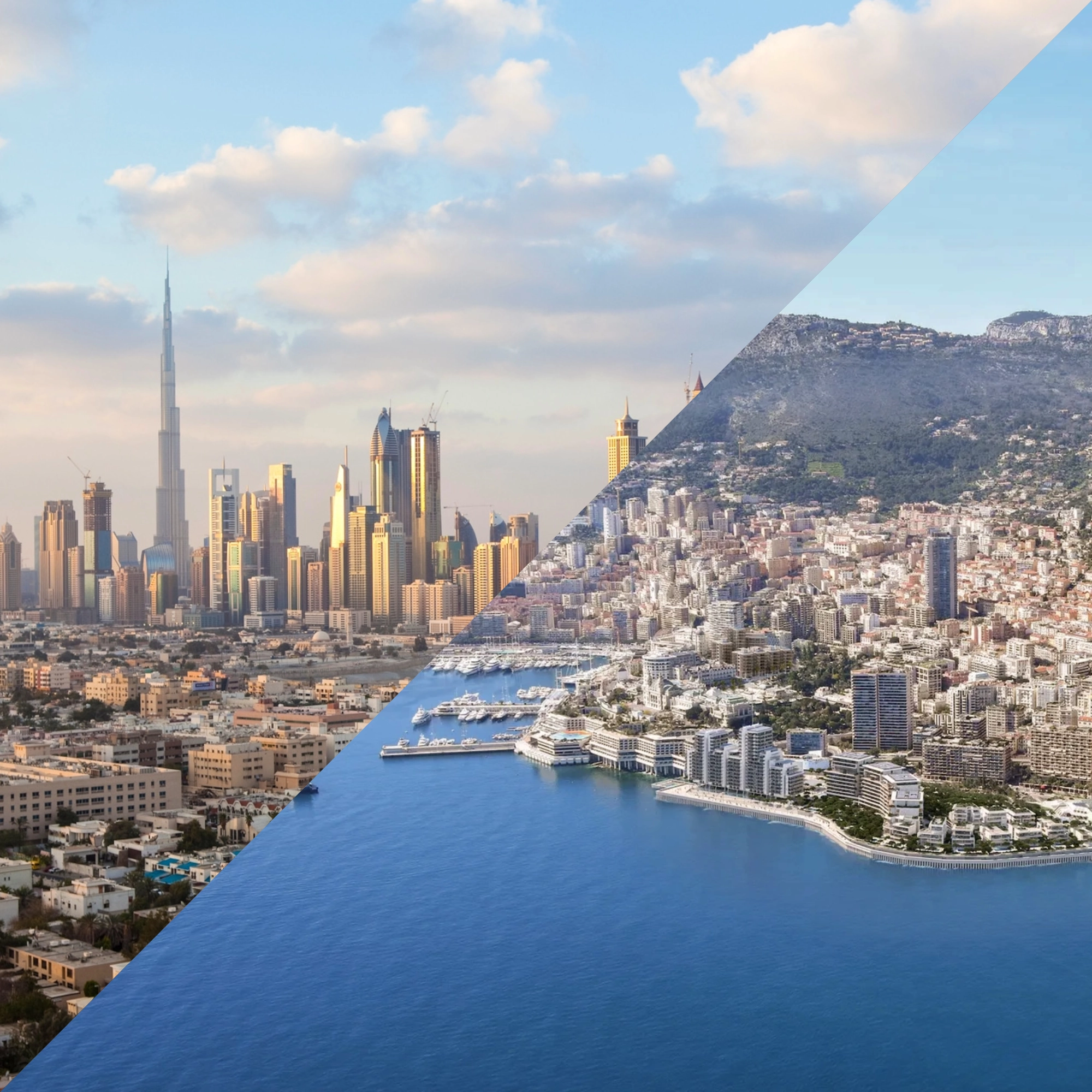
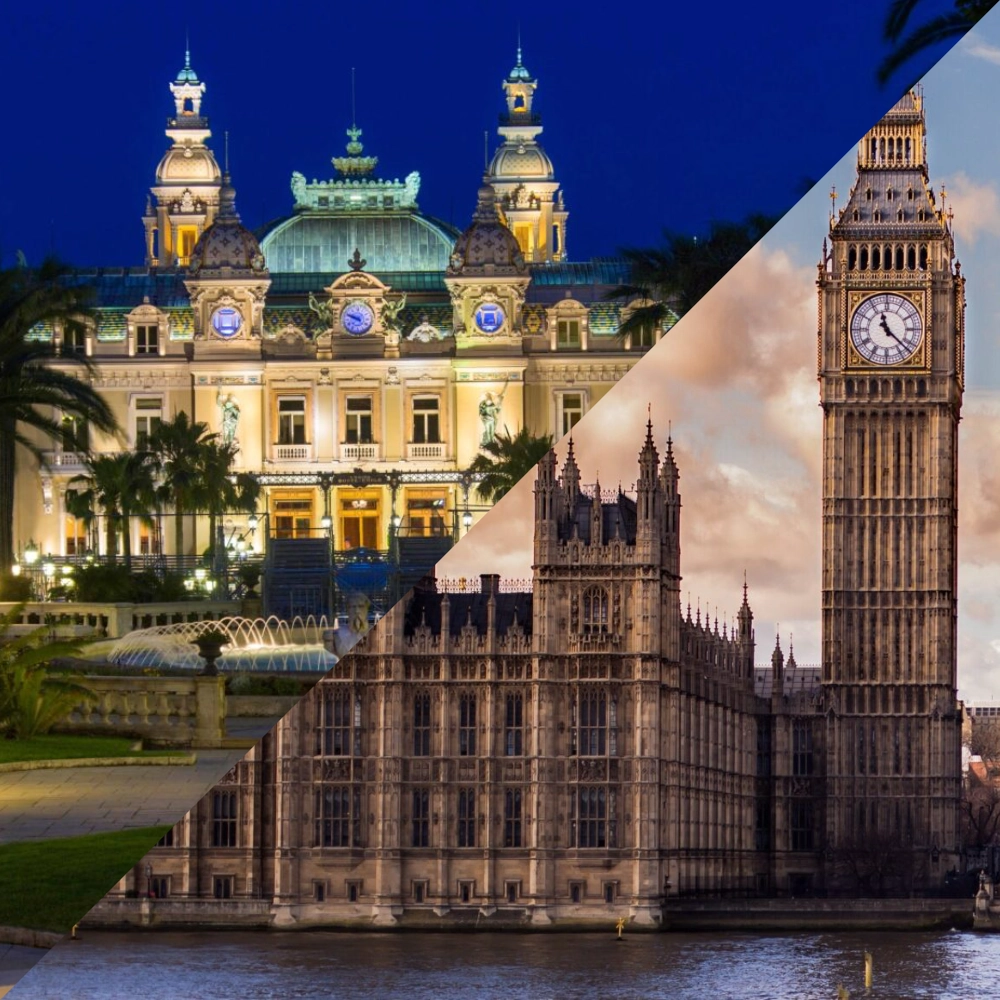
Ultra-high-net-worth mobility has become less about chasing novelty and more about reducing friction: predictable governance, daily-life security, reputational safety, education options that travel well, and a property market that can absorb large transactions without drama. When principals compare Monaco, Dubai, and Switzerland, they are rarely choosing “a country.” They are choosing a governance model and a day-to-day operating environment for family, staff, assets, and privacy.
These three jurisdictions sit at the top of many shortlists for different reasons. Monaco is a compact, controlled ecosystem built around stability, proximity to Europe, and a distinctly residential real estate market. Dubai is a scale play: infrastructure, global connectivity, and a rules-based property system designed to transact. Switzerland offers institutional depth, political continuity, and a lifestyle that can feel deliberately low-frequency while still being globally connected.
The driver is not a single headline. It is the compounding effect of geopolitical volatility, regulatory unpredictability, and personal security concerns, combined with a practical desire for “operational redundancy.” Many families now structure life across two or three bases: one for European access and schooling, one for global business and travel, one for long-term stability and discretion.
Another shift is cultural. Privacy is no longer only about secrecy. It is about control: who knows where you live, how public records look, how much your presence becomes “content,” and how safely your family can move through ordinary places. Add education considerations, staff logistics, and a preference for jurisdictions where institutions behave consistently, and you get the Monaco–Dubai–Switzerland triangle appearing again and again.
Switzerland is the benchmark for institutional continuity. Its federal structure, strong rule-of-law culture, and long-standing political stability are often valued by families who want low drama over decades. Switzerland regularly ranks among the world’s most peaceful countries in the Global Peace Index.
Monaco is different: it is not a large institutional machine, it is a tightly governed micro-state with a highly controlled public environment and a strong emphasis on security and order. The compactness is a feature, not a compromise. Decision-making can be pragmatic and fast because the territory is small and the priorities are clear.
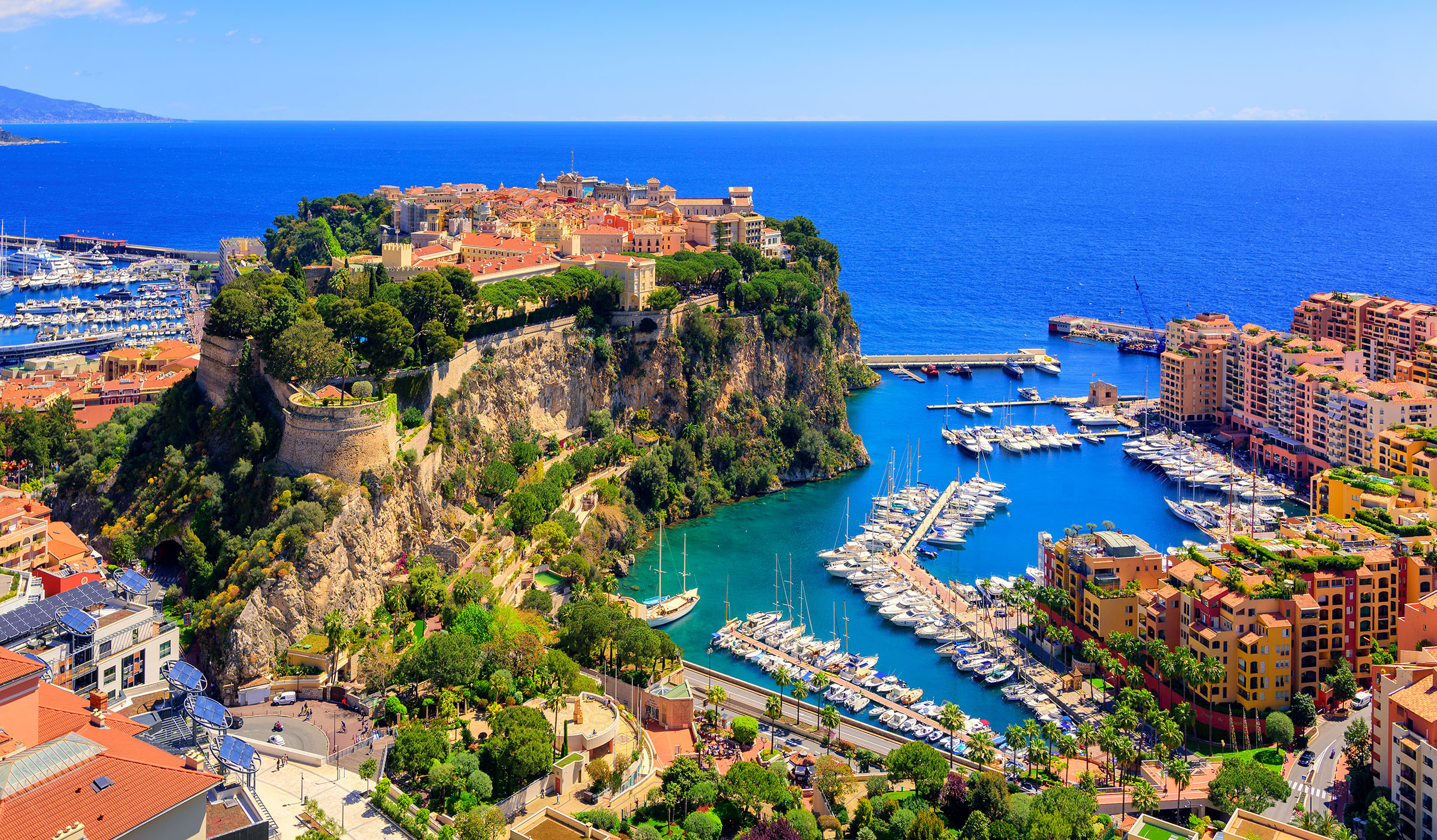
Old town and Prince Palace on the rock in Mediterranean Sea, Monaco, southern France
Dubai is a pro-growth governance model optimized for speed, infrastructure, and business enablement. For globally mobile families, that translates to world-class connectivity and a property market designed to transact efficiently, with a regulatory apparatus focused on implementation rather than theory.
Monaco is often chosen for the lived experience of discretion: short commutes, controlled access buildings, and a social culture where privacy is generally respected. It is not “anonymous,” but it is non-performative.
Switzerland offers privacy through cultural norms and a tradition of understatement. Outside a few hotspots, visibility is easy to manage simply because society is not structured around spectacle.
Dubai can be private, but it depends on your lifestyle choices. The city is built for public experiences (hospitality, retail, events). Families who want discretion tend to engineer it: selecting buildings, layouts, and neighborhoods that reduce exposure and choosing routines that do not place them in the center of the city’s social feed.
Start with an objective peace-and-safety proxy. Switzerland is consistently near the top of the Global Peace Index. The United Arab Emirates sits in the upper half of the index, reflecting a comparatively strong security environment. These are broad proxies, but they provide a disciplined starting point for comparing “felt safety” against measurable indicators.
Now look at recorded crime realities. Switzerland is widely perceived as very safe, yet it still has the profile of a normal European country with measurable crime trends. Swiss police recorded 563,633 offences under the Swiss Criminal Code in a recent reporting year, which is a useful reminder that “safe” does not mean “crime-free.” The practical takeaway is to choose micro-locations and building security with the same seriousness you would in London, Paris, or Milan, especially for second residences that sit empty for periods. (A summary referencing the official police crime statistics can be found via Swissinfo’s reporting.)
Monaco’s safety model is structural. The Principality combines density with unusually concentrated policing and surveillance infrastructure. Monaco’s own statistical institute (IMSEE) publishes institutional indicators including police staffing. IMSEE lists 556 police officers for Monaco, alongside a resident population of 38,423 in its population census outputs, which illustrates how different the security posture is compared with larger cities. See IMSEE’s public-life indicators and IMSEE’s population census.
Dubai’s safety experience is operational. The city’s security posture is shaped by modern infrastructure, high-quality emergency services, and a regulatory environment that treats public order as a core competitiveness factor. For UHNW families, the practical distinction is that Dubai can feel extremely safe in day-to-day life, but the city’s size and velocity mean you manage risk through choices: neighborhood, building, ingress and egress, and travel patterns.
Monaco is about concentration: an efficient daily circuit, Mediterranean climate, and a social ecosystem where many residents share similar constraints and expectations. It suits individuals who want Europe at their doorstep without living in a major capital.
Switzerland is about space, nature, and institutional quality, with the option to live quietly while still accessing global finance, top medical care, and premium schooling. It is a compelling base for individuals who prefer low visibility and high predictability.
Dubai is a global city proposition: nonstop connectivity, premium hospitality, and a schooling ecosystem designed for expats. It often appeals to principals who want a base that supports business travel intensity and a wide menu of lifestyle options.
Monaco requires a residence permit for anyone staying beyond the standard short-stay horizon. The official public-service portal outlines the framework and administrative expectations. A useful starting point is Monaco’s residence permit overview.
United Arab Emirates offers several long-term residency pathways, including options linked to property ownership. For official guidance, see the UAE government Golden Visa page and ICP’s Golden Residency guidance.
Switzerland is rules-driven and canton-influenced, with different pathways depending on nationality and personal situation. For general orientation, see living in Switzerland without gainful employment and the federal framework published by the State Secretariat for Migration in its residence permit guidance.
Monaco: liquidity is price-led, execution is notary-led. The market is thin by design: limited supply, high owner hold periods, and buyer profiles who are not forced sellers. Liquidity exists, but it is most reliable at market-clearing prices for prime, correctly configured stock (views, terraces, parking, and building prestige). The buying process is anchored by notarial practice and registration duties. A commonly cited baseline for registration duties and notary fees on resale purchases is 6.25% of the purchase price (with different regimes depending on the structure and whether the property is new or resale).
Operationally, Monaco buyers should expect a deposit customarily held in notarial escrow when a preliminary agreement is signed (market practice is often described around 10% of the price, depending on the deal structure). That deposit is not “a fee,” but it changes the psychology of the transaction: once paid, the deal becomes a structured process rather than a casual negotiation. For a practical explainer of typical purchase costs and steps, see this overview of Monaco purchase costs.
Dubai: liquidity is system-enabled, execution is registry-led. Dubai’s property market has been engineered for throughput. The Dubai Land Department publishes service procedures and fee schedules for common transfer scenarios, including a widely referenced 4% fee on sales value for registration in relevant transfer processes. A representative example is the service page on registering the sale of a mortgaged property, which also illustrates how structured the execution pathway is.
For off-plan transactions, Dubai’s buyer protection mechanisms are unusually explicit, including escrow accounts and interim registration controls. Dubai Land Department’s own investor guidance describes how developer payments for off-plan units are routed through project escrow accounts and monitored by the regulator (RERA). The most practical starting point is the DLD “Know Your Rights” guide.
Switzerland: liquidity is micro-market dependent, execution is canton-dependent. Switzerland is not one market. Liquidity differs dramatically between prime international hubs, ski markets, and quieter cantons. The process is typically formal and notarized, and transaction costs and taxes vary materially by canton. Foreign acquisition can be restricted, and feasibility checks should come early. The Federal Office of Justice explains the framework (Lex Koller) in its guidance on acquisition of property by persons abroad.
“Where will my family feel calm?” This is usually less about one metric and more about lived experience: can children move freely, can staff operate smoothly, does the environment reduce personal exposure. Monaco often wins here for families who want an intensely controlled public realm. Switzerland wins for those who want quiet and space. Dubai wins when families want energy, convenience, and global connectivity without sacrificing baseline security.
“How visible is my presence by default?” In Monaco, visibility is managed through building selection and routine. In Switzerland, understatement does most of the work. In Dubai, privacy can be excellent, but it is more actively designed: property choice, entry points, internal layouts, and how public your lifestyle is.
“How hard is it to execute real estate properly?” Monaco execution is meticulous but can feel slow if you are used to high-volume markets. Dubai execution can be fast and systematized, but you must respect the documentation culture and the difference between freehold zones and other regimes. Switzerland execution is deeply formal, with canton-level nuances and potential foreign-buyer constraints that can shape what is even possible.
“What is my plan B if conditions change?” This is where liquidity and governance meet. Many families want at least one base where property is a long-duration store of lifestyle value (Monaco and certain Swiss markets) and another where transaction velocity can be higher (Dubai) if they need to rotate assets, rehouse staff, or reconfigure holdings.
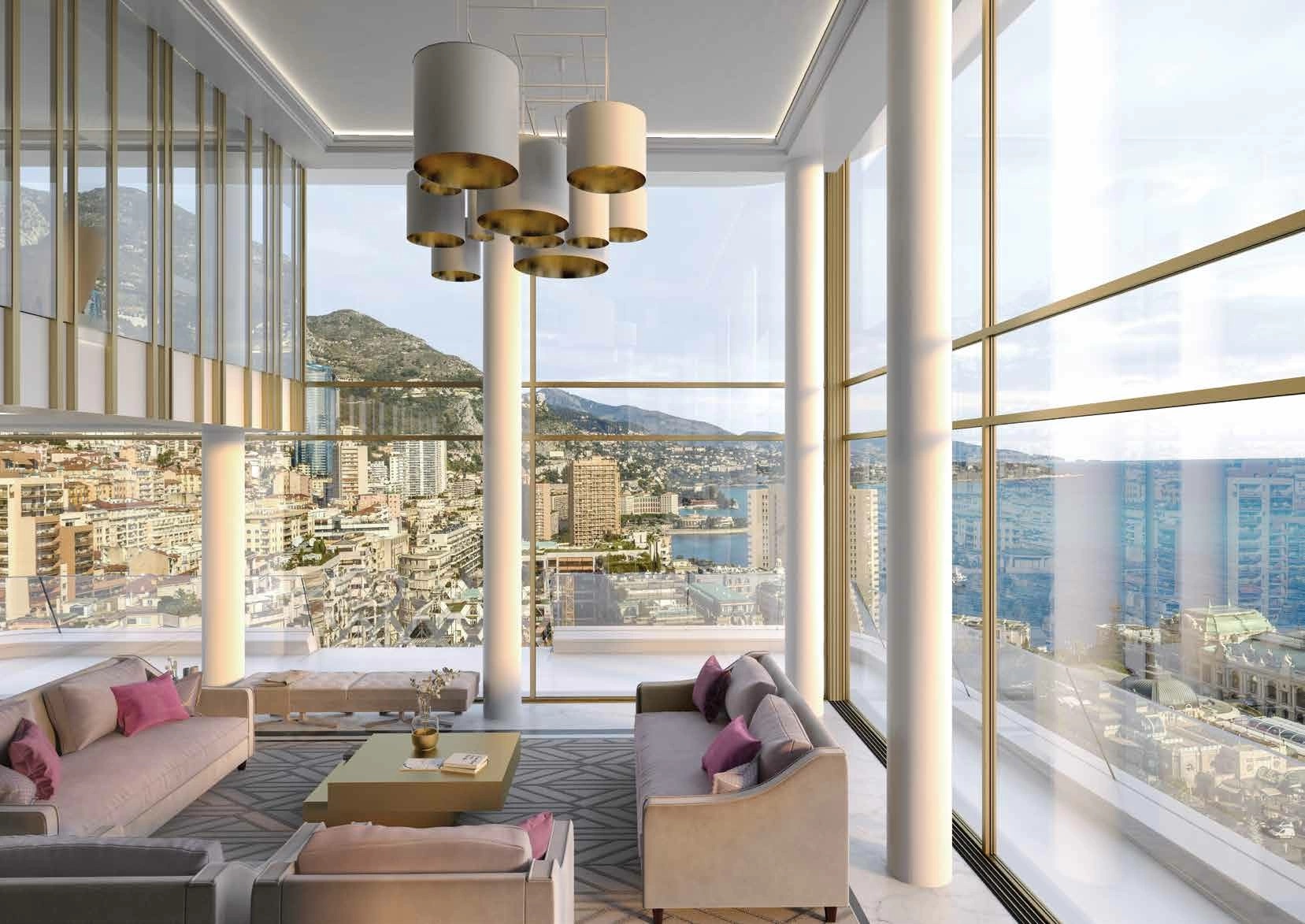
Monaco: treat the property as infrastructure. In Monaco, the right apartment is less “an investment unit” and more a personal operating platform. The most resilient purchases tend to be those that reduce daily friction: proximity to the sea, walkability, concierge quality, security, parking, and a layout that supports staff movement without disrupting family life. Because the market is supply-constrained, buyers often plan a longer holding period and prioritize irreplaceability over short-term optionality.
Dubai: segment the purchase by purpose. Dubai rewards clarity: is this a primary base, a business-led base, or a portfolio allocation? Each implies different districts, building types, and liquidity expectations. The strongest strategies align title clarity, regulator-supervised processes (especially in off-plan), and an exit plan that matches the likely buyer pool for that asset category. 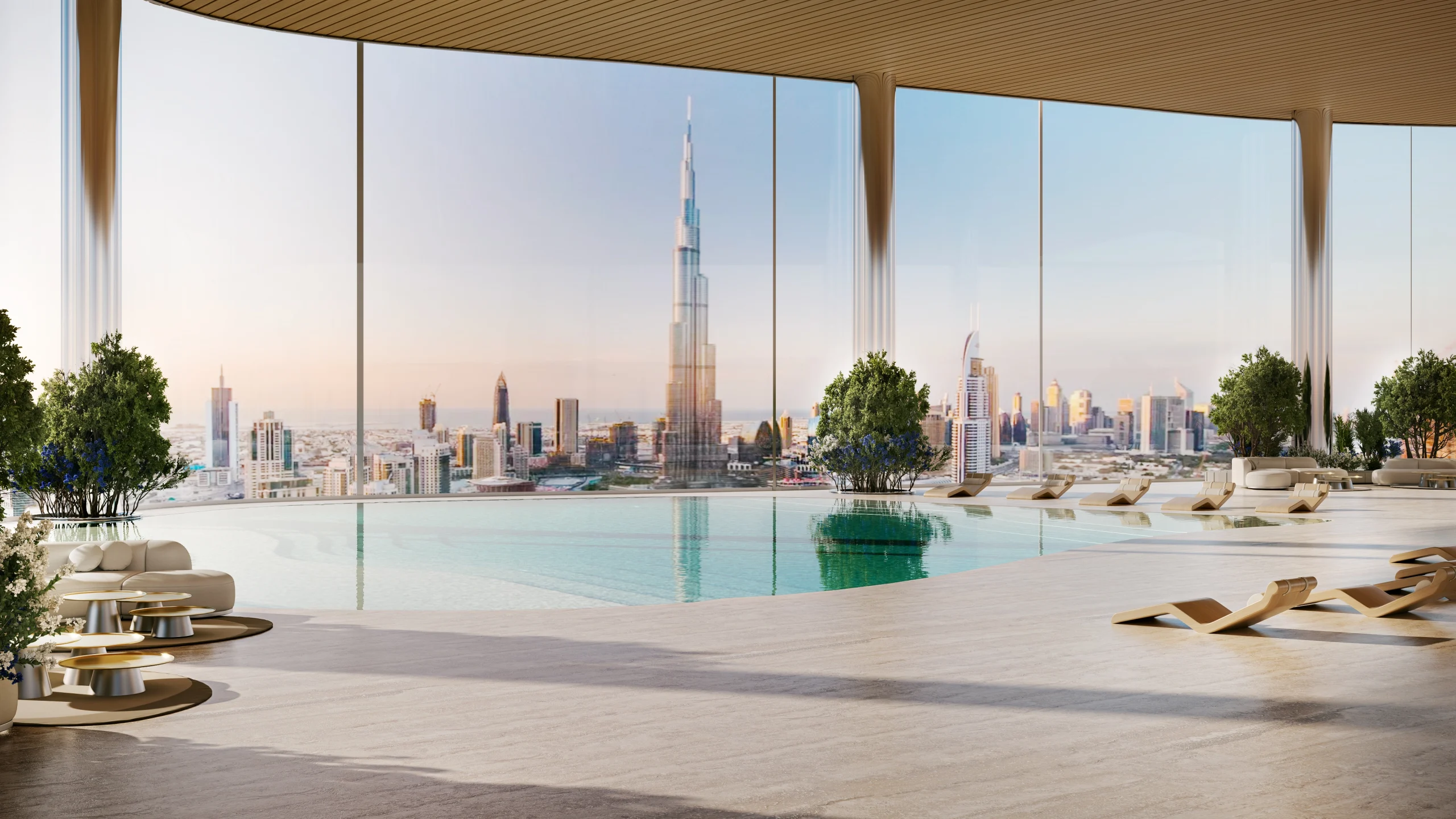
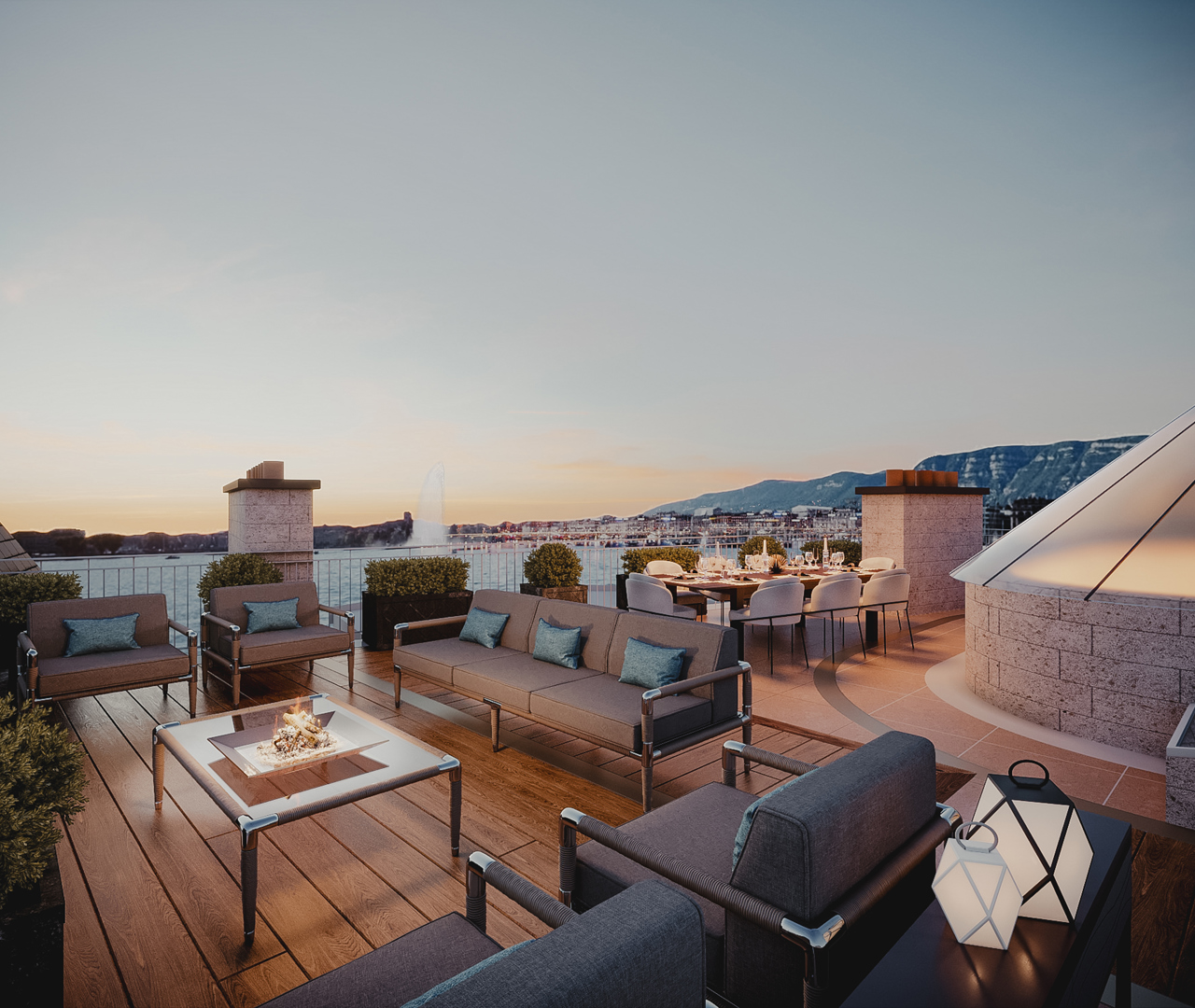
Switzerland: lead with feasibility, then lifestyle. Switzerland can be exceptional, but feasibility checks come early. Foreign acquisition constraints (where relevant), canton differences, and micro-market liquidity all shape the strategy. Once feasibility is clear, Switzerland often becomes a lifestyle-led purchase: quiet, space, and continuity, with a premium on quality of build, privacy, and year-round access.
If you are weighing these options and want a grounded view of how the real estate side actually executes in Monaco, we can help you translate preferences into building shortlists, realistic buying timelines, and the practical norms that matter once you are on the ground. You can reach Baldo Realty Group here. Where it helps, we can also share current market context from live inventory via current listings.
This article is informational and intended for general guidance only. It is not legal, tax, or investment advice. Residency rules and property regulations can change, and outcomes depend on individual circumstances and competent professional advice.